

Sustainability · 2025
In this section47 topics
- Sustainability Policy3 items
- Sustainability Goals & UN SDGs3 items
- Policy Review3 items
- Business Value Chain1 item
- Stakeholder Analysis2 items
- Environmental Policy & Guidelines3 items
- Environmental Policy Review1 item
- Energy — Plan & Guidelines2 items
- Energy — Electricity Consumption1 item
- Energy — Fuel Consumption1 item
- Energy — Targets3 items
- Energy — Performance & Outcomes2 items
- Water — Plan & Guidelines2 items
- Water — Withdrawal, Discharge & Consumption1 item
- Water — Targets1 item
- Water — Performance & Outcomes2 items
- Waste — Plan & Guidelines2 items
- Waste — Generation, Disposal & Recycling1 item
- Waste — Targets1 item
- Waste — Performance & Outcomes1 item
- GHG — Plan & Guidelines2 items
- GHG — Emissions1 item
- GHG — Emissions Verification1 item
- GHG — Targets1 item
- GHG — Performance & Outcomes2 items
- Environmental Legal Incidents1 item
- Social Policy & Guidelines3 items
- Social Policy Review1 item
- Social — Principles & Standards Practised1 item
- Human Rights Due Diligence1 item
- Employees — Plan & Guidelines3 items
- Employees — Workforce1 item
- Employees — Remuneration & Provident Fund1 item
- Employees — Training & Development1 item
- Employees — Occupational Health & Safety1 item
- Employees — Labour Relations1 item
- Employees — Employee Representation1 item
- Employees — Targets2 items
- Employees — Performance & Outcomes2 items
- Customers — Plan & Guidelines3 items
- Customers — Satisfaction Results1 item
- Customers — Targets2 items
- Customers — Performance & Outcomes2 items
- Community & Social — Plan & Guidelines1 item
- Community & Social — Targets1 item
- Community & Social — Performance & Outcomes2 items
- Law Violation Incidents1 item
Sustainability Policy
Has a Sustainability Policy
Yes
Policy Description
The Company is dedicated to conducting business based on good corporate governance, with the ultimate goal of organizational sustainability. This is achieved by fostering confidence among stakeholders through transparent and efficient operations. The Board of Directors, executives, and employees are tasked with supporting, promoting, and implementing works in alignment with the sustainable development policy as follows:
1. Creating Economic Value through High Product Quality and Corporate Governance Principles
The Company is committed to creating value for the business, not only focusing on profit growth but also emphasizes transparent, ethical business operations that
are auditable under good governance principles. The Company also implements risk management concurrent with the delivery of high-quality products which has the production processes that concern on environmental management through products that are both high-quality and customer friendly, as well as environment and communities.
2. Participation in the Corporate Social Responsibility
The Company conducts its business with integrity and is firmly committed to social responsibility, as outlined in the Corporate Social Responsibility Policy. Relevant information and details related to Corporate Social Responsibility will be disclosed in Attachment 5, “Policy and Practices for Corporate Governance – Full Version, and the Business Ethics and Code of Conduct - Prepared by the Company”.
3. High-Quality Personnel
Employees are the main driving factor to the business, and the Company places a high priority on developing human resources through training, skill development, and knowledge enhancement. This is aimed at enhancing competitiveness, keeping up with changing circumstances, and maintaining a steadfast commitment to labor practices and human rights. Simultaneously, there is a commitment to fostering good relationships between the Board of Directors, executives, and employees, to promote an organization that values sharing and works towards achieving its goals.
4. Environmental Stewardship and Sustainability
The Company operates its business with a consciousness and prioritizes the conservation of natural resources and efficient resources utilization. This includes product design and the selection of eco-friendly packaging materials. Additionally, the Company supports activities that promote environmental sustainability and conservation of natural resources. The Company instills a sense of awareness in their personnel regarding the appreciation use of resources, ensuring efficiency and maximizing benefits while maintaining a commitment to environmental preservation, growth, and sustainable coexistence.
Policy Document Link
https://www.tanachira.co.th/storage/document/governance/sustainability-development-policy-th.pdf
Sustainability Goals & UN SDGs
Has Sustainability Goals
Yes
Goals Description
The Company has established sustainability strategies and goals that encompass all stakeholders while creating value for society, the environment, and the overall economy under this strategy. The Company has defined a clear sustainability framework known as 3P: PLANET (Environment) PEOPLE (Society) PROSPERITY & WEALTH (Corporate Governance);
1. PLANET: Environmental Responsibility
Sustainable Packaging: The Company has expanded the HARNN Upcycle / Recycle Packaging Program by increasing the proportion of recycled and biodegradable materials. The HARNN brand remains committed to continuously advancing its sustainability policy, as well as its social and environmental responsibilities, with the objective of creating a sustained positive impact on the environment and communities. This initiative is implemented under the concept of environmental stewardship and the promotion of recycled materials through the development of HARNN Home Fragrance Spray and HARNN Sleeping Pillow Mist. Both products utilize packaging made from 100% post-consumer recycled (PCR) plastic, which has been carefully selected and safely processed. With a bottle weight of only 12 grams, this approach contributes to reducing the consumption of virgin resources and minimizing plastic waste in a tangible manner, equivalent to recycling approximately 0.67 plastic bottles per unit.

In addition, HARNN offers refill products in the Body Wash category to reduce the use of single-use plastic bottles, while continuously striving to develop packaging made from 100% recycled materials.

In addition, HARNN demonstrates a strong commitment to creative and sustainable packaging design through the concept “Soulful Celebration: Metamorphosis of Scent.” This initiative incorporates high-quality genuine leather scraps from furniture production by Lasanya as a component of the cord used in the Aromatic Charm product, thereby revitalizing waste materials, creating new value, and promoting creative craftsmanship. This extends to the use of packaging made from 30% post-consumer recycled (PCR) plastic, which contributes to reducing the use of virgin resources and minimizing plastic waste in a tangible manner.Use of environmentally friendly materials in promotional media: The Company produced 700 annual planners as gifts with purchase (GWP) for customers, integrating the concept of environmental impact reduction throughout the production process. In terms of production, the Company selected environmentally friendly materials, including Green Ocean paper, soy-based ink, and production processes that emphasize efficient resource utilization and the reduction of greenhouse gas emissions throughout the value chain. The Company conducted an assessment of greenhouse gas emissions from such production processes and found total emissions of 404.52 kilograms of carbon dioxide equivalent (Kg.CO2e) . The Company has fully offset these emissions in an equivalent amount, resulting in net zero greenhouse gas emissions (carbon neutrality) for this activity. This initiative reflects the Company’s commitment to concretely reducing environmental impacts and supporting business operations in line with sustainable development principles.
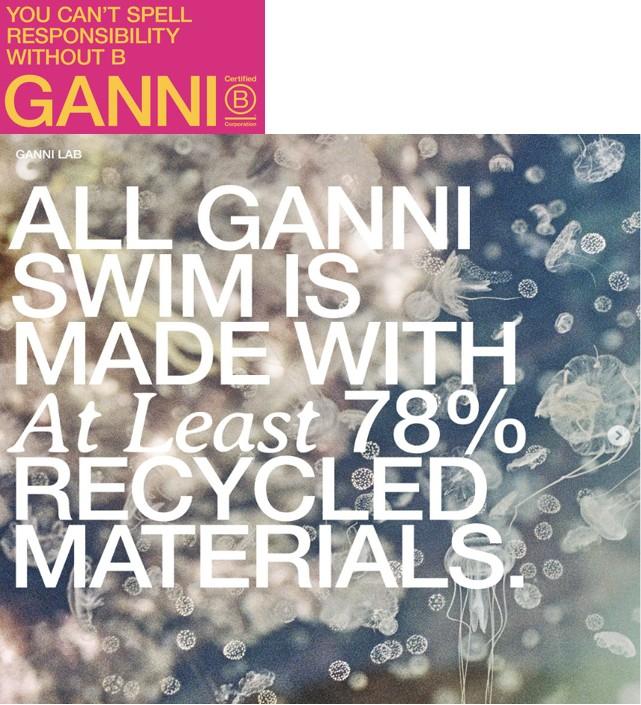
In addition to conducting environmentally responsible activities at the organizational level, the Company places importance on the selection and management of brands under its portfolio by considering each brand’s sustainability approach and environmental responsibility to ensure alignment with the Company’s sustainable business practices. One brand that reflects such principles is GANNI, a fashion brand from Denmark that emphasizes responsible business practices at the organizational level. The brand integrates sustainability into its core business strategy, covering the development of environmentally friendly materials, improvement of production processes to reduce environmental impact, and the promotion of supply chain transparency. Furthermore, the brand has been certified by B Lab as a B Corporation, recognizing companies that meet global standards in social, environmental, and governance performance. Another brand under the Company’s management is UNITED ARROWS, a fashion brand from Japan that emphasizes product design and marketing activities with a focus on efficient resource utilization and environmental impact reduction. For example, the development of promotional items or gifts with purchase (GWP) emphasizes reusability, such as reusable bags, which help reduce single-use materials and promote environmentally friendly consumption behavior. Such initiatives reflect the Company’s approach to selecting and managing brands that prioritize sustainability alongside business development, contributing to responsible growth with respect to society and the environment in the long term.

2. PEOPLE: Strong and Sustainable Society
Employee Development: The Company organizes training programs and enhances specialized skills, such as customer service and the use of technology, to support future growth. In addition, the Company emphasizes holistic employee development by providing professional knowledge relevant to working in the digital era. This is undertaken in parallel with the GSM PLUS project, a cross-functional collaboration between the Retail Operation and Learning & Development teams, aimed at facilitating knowledge sharing and real-world experience from retail operations, and further developing skills in a systematic manner. This approach contributes to fostering a sustainable learning culture and enabling the organization and its employees to grow together.
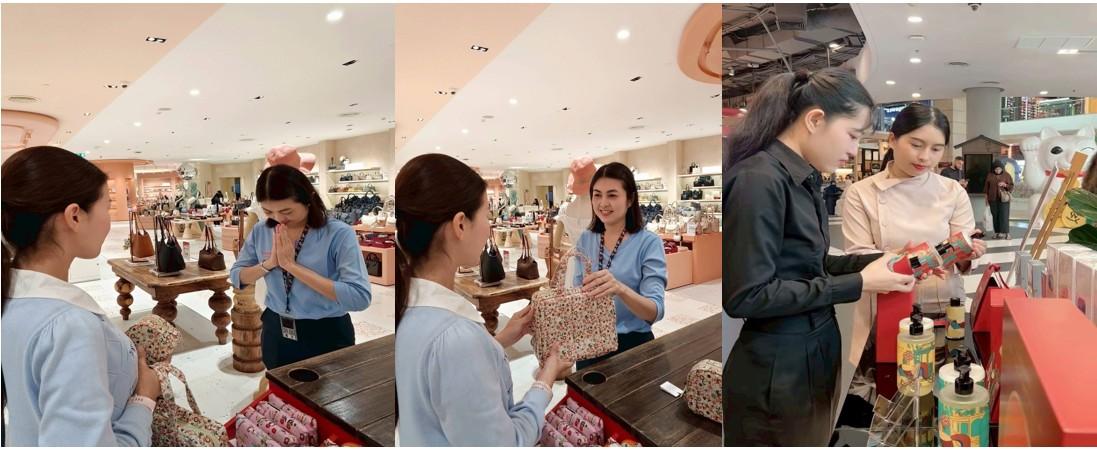
• Social Initiatives: Launch of TANACHIRA CARE to promote mental health and community well-being through charity sales and events.
3. PROSPERITY & WEALTH: Transparent and Sustainable Governance
• Innovative Products and Services: Development of high-quality, consumer-focused products.
• Transparent Business Practices: Strong adherence to governance principles to build long-term trust with shareholders and investors.
UN Sustainable Development Goals
| SDG Goal |
|---|
| Goal 1 No Poverty |
| Goal 1 No Poverty |
| Goal 3 Good Health and Well-being |
| Goal 3 Good Health and Well-being |
| Goal 4 Quality Education |
| Goal 4 Quality Education |
| Goal 8 Decent Work and Economic Growth |
| Goal 8 Decent Work and Economic Growth |
| Goal 9 Industry, Innovation and Infrastructure |
| Goal 9 Industry, Innovation and Infrastructure |
| Goal 10 Reduce Inequalities |
| Goal 10 Reduce Inequalities |
| Goal 12 Responsible Consumption and Production |
| Goal 12 Responsible Consumption and Production |
| Goal 13 Climate Action |
| Goal 13 Climate Action |
Policy Review
Policy Reviewed This Year
Yes
Policy Changed This Year
Yes
Review Details
The Company has reviewed its sustainability strategies and targets to ensure alignment with the operations of the Group. The Company is committed to conducting its business by creating business value alongside social and environmental responsibility, while appropriately responding to the expectations of stakeholders and ensuring that such outcomes are measurable in a concrete manner.
Business Value Chain
Value Chain Description
Supply chain management is the core of the organization’s sustainable business operations, which aim to drive the business in a sustainable manner. The Group is dedicated to conducting business while caring for society, communities, and the environment, following ethical practices and principles outlined in the Business Code of Conduct. The Group emphasizes the importance of all stakeholders, including shareholders, employees, customers, partners, communities, or society, and the environment. A committed to human rights principles and the principles of business ethics in order to build a positive image for the company. This commitment leads to the creation of
balance and sustainable development in economic, social, and environment, and the benefit-sharing is appropriate and fair.
(1) Primary Activities
• Sourcing Products from Brand Owners and/or Contract Manufacturers
The Group prioritizes the sourcing and presentation of leading lifestyle products to offer experiences and products that resonate with the target customer groups. For brands like Pandora, Marimekko, Cath Kidston , LIVE! Active wear, MM6 Maison Margiela, UNITED ARROWS, GANNI the Group purchases products from brand owners, fostering consistent communication and collaboration to drive business and strengthen positive relationships. Regarding the HARNN brand, the Group purchases products from contracted manufacturers within the country. The Group emphasizes the selection and procurement of high-quality and suitable contract manufacturers. Additionally, the Group is environmentally conscious, incorporating recycled PET (“rPET”) in the bottles production process for HARNN brand products.
• Distribution
The Group has branch stores in shopping malls and/ or commercial centers across every region of Thailand and in other countries where the Group operates which
follows the ‘Sales-Staff-Stock’ concept in its operations. The Group is committed to offering high-quality lifestyle products that align with customer needs. Adequate staffing is ensured to provide customer service, and inventory management is organized to meet customer demands. This is aimed at delivering a memorable and delightful shopping experience to customers. In addition, the Group also distributes products through online channels such as the websites of each company in the Group, external service provider marketplaces, and social media platforms. The distribution channels of the Group, both offline and online, aim to provide customers with a comprehensive shopping experience. Moreover, the Group has partners who act as distributors and franchisees both domestically and internationally. This approach allows the Group to reach and deliver products and/or services to customers in areas where the Group’s operations may not directly cover.
• Sales and Marketing Activities
The Company recognizes the importance of promoting sales and marketing by conducting its brand and product advertising through various channels, both online and
offline. This is not only to retain existing customers but also to attract new ones. The Group focuses on communicating the image and products to align with the target customer group for each brand within the Group.
(2) Supporting Activities
• Human Resource Development
The Company prioritizes the management and development of its human resources. The Group has established the Tanachira Training Academy (“TTA Program”), with the Learning & Development function responsible for enhancing the skills, knowledge, capabilities, and potential of employees in alignment with the Group’s image and vision, while continuously improving the efficiency of employees at all levels across various aspects.
Under the Learning & Development function, the Company has initiated the GSM PLUS Project, which reflects a cross-functional working approach between the Retail Operation and Learning & Development teams. The project focuses on the exchange of knowledge and practical experience from front-line retail operations, which are subsequently analyzed and further developed into systematic personnel skill development in alignment with actual business contexts. The project plays a key role in bridging theoretical learning with practical implementation, enhancing operational efficiency, strengthening understanding of business processes across the value chain, and promoting collaboration among departments. This contributes to fostering a continuous learning culture (Sustainable Learning Culture) and supports the sustainable growth of both the organization and its employees. The initiative also emphasizes the development of personnel in alignment with the Group’s image, core values, and vision, covering functional skills, leadership and management skills, as well as skills essential for business transformation in the current environment, such as strategic thinking, cross-functional collaboration, and customer experience development.
In addition, the Company promotes a culture of lifelong learning through various training approaches, including on-the-job training, classroom training, and experiential learning. These efforts aim to enhance work efficiency, improve service quality, and strengthen employee engagement, ultimately contributing to the Company’s stable and sustainable long-term growth.
Stakeholder Analysis
Introduction
Key Material Topics of the Business
The Process of Identifying and Prioritizing Material Topics Related to Corporate Sustainability
1. Gathering Relevant Sustainability Topics for the Business
The Company has identified and compiled material sustainability topics relevant to its operations across all dimensions — social, environmental, economic, and good corporate governance — through the following steps:
• Reviewing sustainability issues and context for the year 2024 to align with evolving circumstances and goals.
• Studying and benchmarking against industry peers, as well as considering sustainability issues based on the Stock Exchange of Thailand’s sustainability assessment and recommendations from sustainability experts.
• Analyzing the company’s business strategy and code of ethics to ensure alignment with the company’s vision and mission.
• Engaging stakeholders from all relevant areas of the business to gather perspectives and sustainability concerns from various groups such as employees, investors, communities, customers, and business partners.
2. Prioritizing Sustainability Material Topics
The Company prioritizes sustainability topics by assessing their impact on the business, as well as their potential effects on the economy, environment, people, and human rights, through the following process:
• Conducting surveys or meetings with various stakeholder groups to understand their expectations and needs.
• Applying a Double Materiality perspective:
- Financial Materiality: Topics that affect the company’s performance and growth.
- Environmental & Social Materiality: Topics where business operations may impact the environment and society, considering both short-term and long-term effects.
3. Approval of Material Topics by Senior Management
The Company prepares a report on identified material topics and presents it to senior management for:
• Approval of the identified material topics.
• Authorization to disclose the information in the Sustainability Development Report published on the Company’s website.
4. Reviewing Material Sustainability Topics
The Company conducts periodic reviews of material topics in collaboration with stakeholders, aiming to:
• Gather feedback and suggestions from stakeholder groups.
• Continuously improve the company’s sustainability strategies for greater effectiveness.
The Group prioritizes both internal and external stakeholders to evaluate the importance in the business value chain and their direct and indirect impacts in order to establish guidelines that meet the expectations and encourage the engagement of stakeholders as follows:
Stakeholder Analysis
| Stakeholder Type | Stakeholders | Stakeholder Expectations | Response to Expectations | Communication Activities |
|---|---|---|---|---|
| External stakeholders | 2904 · Description: Investors or investment institutions · 2913 · Description: Shareholders | - Operating business with good
performance, growing, and
sustainable results.
- Consistently paying dividends.
- Conducting business with
transparency and
accountability, including
having good corporate
governance.
- Anti-Corruption.
- Appropriate qualifications of
the Board of Directors and
executives.
- Accurate, comprehensive,
and timely disclosure of
information and operational
results of the Company. | - Planning the business
management to grow
continuously and sustainably.
- Disclosing information
accurately in accordance with
the practices for information
disclosure of a listed
company
- Effectively managing risks,
both short-term and long term,
including potential
emerging risks. | 2938 · Description: Visit · 2941 · Description: Online Communication · 2944 · Description: Annual General Meeting (AGM) · 2945 · Description: Complaint Reception · 2949 · Other name: Website and e-mail. · Description: Others |
| Internal stakeholders | 2921 · Description: Employees | • Reasonable compensation
• Developing learning skills
• Benefits and welfare
• Stability and career growth
• Employee engagement
• Equality treatment and
Human Rights | • Providing appropriate
remuneration and welfare
• Implementing performance
evaluation and potential
assessment to ensure fair
compensation
• Welcoming on suggestions
and comments from
employees
• Supporting on the employees
skills development to
enhance personal growth
and create opportunities for
their career path
• Conducting satisfaction and
engagement surveys
• Protecting | 2942 · Description: Internal Meeting · 2945 · Description: Complaint Reception · 2947 · Description: Satisfaction Survey |
| External stakeholders | 2923 · Description: Customers | • Producing products with high
quality and meet standards,
and provide good services
• Fair price
• Meeting the customers’
needs
• Promptly responding when
customers encounter issues
• Equitable treatment | • Distributing products with
high quality and meet
standards
• Building customers
confidence in products and
services includes offering
products warranties and
providing various channels for
complaints.
• Treating customers with
fairness and equality,
avoiding discrimination
against consumers
• Protecting customers
personal data | 2941 · Description: Online Communication · 2945 · Description: Complaint Reception · 2947 · Description: Satisfaction Survey |
| External stakeholders | 2899 · Description: Suppliers · 2900 · Description: Business partners | • Transparent and fair
procurement
• Fair trade and on-time debt
payments
• Supporting on collaborative
trade to receive or forward
high-quality products or
services at fair price | • Conducting business in
accordance with business
ethics
• Establishing procurement
and/or outsourcing
policies
and maintaining a transparent
and fair procurement process
• Adopting a payment policy
that is accurate and in
accordance with the specified
conditions.
• Protecting the partners
personal data | 2945 · Description: Complaint Reception · 2949 · Other name: Website and e-mail. · Description: Others |
| External stakeholders | 2902 · Description: Community · 2928 · Description: Society · 2936 · Other name: Environmental · Description: Others | • Conducting the Group’s
business without impacts on
society, community and
environment
• Utilizing natural resources
responsibly and recognize
their value | • Conducting business with
responsibility, diligence, and
caution, including selecting
raw materials and packaging
to minimize impacts on
environment and prevent
effects on society,
communities, and | 2941 · Description: Online Communication |
| External stakeholders | 2894 · Description: Creditor · 2925 · Description: Financial institution | • Debt repayment and
adherence to the specified
conditions
• Communicating and
disclosing information
consistently and transparently | • Settling debts according to
the agreed-upon terms
• Maintaining financial ratios
within the specified limits or
conditions for requesting
credit from financial
institutions | 2945 · Description: Complaint Reception |
| External stakeholders | 2931 · Description: Government agencies and Regulators | • Conducting business without
violating applicable laws and
regulations. | • Complaining with laws,
regulations, and relevant
standards related to business
operations, fostering good
cooperation with government
agencies.
• Conducting Legal risk
assessment | 2941 · Description: Online Communication · 2945 · Description: Complaint Reception |
Environmental Policy & Guidelines
Has an Environmental Policy
Yes
Policy Description
Tanachira Retail Corporation Public Company Limited ("the Company") is committed to conducting business responsibly towards the community, society, and the environment throughout the value chain of the organization. Therefore, the Company has developed an environmental policy with the objective of establishing operational frameworks to ensure that the Company conducts its business while considering the reduction of negative environmental and community impacts. The policy also supports the conservation of ecosystems, biodiversity, and mitigating the effects of climate change, with the following details:
• The Company Selects the Best for a Sustainable World reaffirms its commitment to responsible business practices by carefully selecting products, services, and operations that align with Responsible Sourcing principles to promote sustainability across our planet. This commitment spans across our four core business segments:
Lifestyle - Prioritizing responsible materials: Pandora focuses on using recycled silver and gold in jewelry production to help reduce greenhouse gas emissions.
Fashion - Curating environmentally conscious fashion brands: Marimekko, United Arrows, Ganni, and MM6 all implement eco-friendly production processes, creating clothing that’s kind to both the wearer and the Earth.
Beauty & Wellness - Sourcing natural, sustainable ingredients: HARNN uses organic ingredients sourced from local communities, embracing the Zero Waste Beauty philosophy to ensure beauty that doesn't harm the planet.
Food & Beverage - Choosing sustainably sourced ingredients: Gordon Ramsay Bread Street Kitchen & Bar and Street Pizza collaborate with suppliers who share a vision of eco-conscious business, supporting the use of environmentally friendly ingredients.
• Comply with all applicable environmental laws, regulations, rules, and requirements related to the Company's operations strictly.
• Foster environmental awareness among all employees and provide necessary support, including human resources, budget, time, training, and employee involvement in offering feedback to implement operations while reducing negative environmental impacts.
• Promote the conservation of natural resources and ecosystems, including protecting biodiversity through the Company's operations, integrating the Mitigation Hierarchy practices, which include Avoidance, Reduction, Restoration, and Offsetting.
• Set environmental goals and plans, such as energy conservation, waste reduction, and water management, both in the short and long term, while communicating these clearly to all employees so that they understand and can implement them properly.
• Continuously strive to develop and improve operational processes to optimize the use of natural resources efficiently and effectively.
• Promote pollution reduction, including the reduction of greenhouse gas emissions, and actively participate in addressing climate change from the Company's business processes, as well as supporting policies and regulations related to climate change, both from the government and associations or agencies the Company is a member of, integrating climate change risk management into the Company's overall risk management processes.
• Support environmentally friendly projects and reduce air pollution that align with the Company's business operations throughout the value chain.
• Provide environmental conservation training and operations for relevant employees and stakeholders in the value chain to achieve the Company's environmental goals. • Regularly review the environmental policy, action plans, environmental goals, and energy conservation efforts.
In addition, the Company supports the use of clean energy in the jewelry retail business under the PANDORA brand, for which the Company operates as a retail partner in Thailand. PANDORA has established global environmental targets, including a 50% reduction in greenhouse gas (CO2) emissions by 2030 and the achievement of carbon neutrality (Net Zero) by 2040. In 2025, PANDORA procured Renewable Electricity Certificates to ensure that all PANDORA stores operated by Tanachira Retail Corporation Public Company Limited were covered by 100% renewable electricity for operations during the year. This forms part of a collaborative effort to support the reduction of greenhouse gas emissions across the business value chain.
Environmental Guidelines
| Guideline |
|---|
| Electricity Management |
| Water Management |
| Waste Management |
| Greenhouse Gas and Climate Change Management |
| Air Quality Management |
Environmental Policy Review
Policy Reviewed This Year
No
Energy — Plan & Guidelines
Has an Energy Management Plan
Yes
Plan Description
Efficient Use of Resources
The Company places great importance on operating its business in an environmentally responsible manner, minimizing negative impacts across all dimensions. It fully recognizes the increasing severity of climate change, and understands that the use of natural resources in business operations contributes to this global issue. Furthermore, the Company acknowledges the continuously rising costs of these resources, which pose a potential risk to overall business expenses.
Therefore, efficient management and utilization of resources is considered a key factor in reducing operational costs and enhancing the Company’s adaptability and resilience to environmental changes. The Company has established guidelines for resource usage as follows:
Energy Management
Given the nature of the Company’s service-based business, with no manufacturing involved, energy consumption primarily arises from office operations and retail branches. As such, the company has implemented measures to reduce energy usage across all stores and office locations, including:
1. Replacing fluorescent lighting (36W) with LED lighting (14–18W): LED lights consume significantly less electricity and have a longer lifespan. The company began gradually replacing existing lights across all departments at the end of 2024, with the goal of reducing electricity usage by more than 40% compared to the previous lighting system.
2. Switching from desktop computers to laptops: Laptops consume far less energy, dropping from approximately 200–250W for a desktop to only 60–70W for a laptop. The company plans to continue this transition throughout 2025.
3. Raising awareness and promoting energy and water conservation: The Company regularly educates and encourages employees in both factories and offices to use resources efficiently and with care. Communication efforts include emails, bulletin board notices, and awareness materials such as stickers placed near usage points — promoting practices like turning off lights after use, unplugging devices, and switching off all electrical equipment when not in use.
Energy — Electricity Consumption
Electricity Consumption
| Metric | Current Year | Previous Year |
|---|---|---|
| Total electricity consumption within the organization (Kilowatt-Hours) | 81,393 | 128,171.89 |
| Electricity purchased for consumption from non-renewable energy sources (Kilowatt-Hours) | ||
| Electricity purchased or generated for consumption from renewable energy sources (Kilowatt-Hours) |
Energy — Fuel Consumption
Fuel Consumption
| Metric |
|---|
| Crude oil (Barrels) |
| Coal (Metric tonnes) |
| Jet fuel (Litres) |
| Diesel (Litres) |
| Gasoline (Litres) |
| Fuel oil (Litres) |
| Natural gas (Standard cubic feet) |
| LPG (Kilograms) |
| Steam (Metric tonnes) |
Energy — Targets
Introduction
The Company has set goals for energy and electricity management, with a strong commitment to utilizing energy efficiently and to its fullest potential. The primary objective is to conserve electricity by using high-efficiency tools and equipment, while also fostering awareness among employees to use electricity wisely and avoid unnecessary consumption.
As the Company continues to expand its retail operations, energy consumption has correspondingly increased. In response, the Company has implemented measures to reduce electricity usage during 2024–2027, with a target of reducing electricity costs by at least 2.5% per year compared to the costs of stores operating in the same period of the baseline year 2025. Since the Company’s office and retail outlets are located in leased buildings and shopping malls, and direct electricity consumption data are not available, the Company collects actual electricity cost data billed by landlords. These data are used to estimate electricity expenses and establish reduction targets, with calculations primarily based on office spaces.
Note: Electricity consumption is estimated from actual electricity costs billed by landlords, as direct meter readings are not available. Consumption cannot be calculated separately for each store because the outlets are located in shopping centers owned by different landlords, each with varying electricity rates and billing bases, such as Siam Piwat, CPN, and The Mall Group.
Has Set Targets
Yes
Targets
| Target | Base Year | Base Year Value | Target Year | Target Change (%) | Unit |
|---|---|---|---|---|---|
| Reduction of electricity purchased for consumption | 2,025 | 81,393 | 2,027 | 2.5 | Kilowatt-hour |
Energy — Performance & Outcomes
Has Performance Results
Yes
Performance Description
Due to the Company’s offices and retail stores are located within leased office buildings and shopping centers, actual electricity consumption data is not directly available. Therefore, the Company began collecting electricity expense data based on actual charges incurred from operating its retail stores and related office buildings. This data serves to provide insights into electricity costs and will be used to establish targets for electricity reduction and to support effective energy management. Details are presented in the table below.
Water — Plan & Guidelines
Has a Water Management Plan
Yes
Plan Description
"Water" is one of the world’s most valuable resources and a vital input in the economic system. However, due to climate variability caused by global warming, water-related natural disasters are becoming more frequent and severe. Additionally, economic growth and industrial expansion have led to issues such as water scarcity, flooding, and water pollution.
The Company places strong emphasis on effective water management within the organization by promoting mindful and efficient water usage. Awareness campaigns are regularly conducted to instill water-conscious behaviors among employees at both corporate offices and retail branches across all brands, through the following ongoing measures:
1. In 2025, the Company plans to control water usage levels and regularly inspect potential leak points across all stores and offices. This ensures the plumbing systems remain in good condition and reduces the risk of leaks due to aging infrastructure. Maintenance will be carried out to ensure plumbing systems remain efficient and fully operational, with water-saving fixtures and certified sanitary ware being installed where appropriate.
2. Water conservation campaigns: The Company continues to promote water and energy-saving initiatives to raise awareness of efficient and responsible resource usage. Guidelines and reminders are shared via email, bulletin boards, and visual signage such as stickers placed near water usage areas, encouraging employees to turn off taps properly after use.
3. Environmental impact from food operations: The Company is committed to minimizing environmental impacts from its food and beverage businesses. Measures include monitoring water use and wastewater quality, maintaining grease traps regularly before releasing water into public sewage systems, and requiring all employees to strictly follow water-related protocols and standard operating procedures.
Water — Withdrawal, Discharge & Consumption
Water Withdrawal, Discharge & Consumption
| Metric | Current Year | Previous Year | Remark |
|---|---|---|---|
| Total water withdrawal (Cubic meters) | 385.73 | It is only the water consumption data for the Company's warehouse building, as the company's office is located in a rented space. The company cannot collect water usage data and pay for water based on a flat-rate charge. Additionally, the Company does not have other branches where water usage data can be recorded. | |
| Total water withdrawal by third-party water (Cubic meters) | |||
| Total water withdrawal by surface water (Cubic meters) | |||
| Total water withdrawal by groundwater (Cubic meters) | |||
| Total water withdrawal by seawater (Cubic meters) | |||
| Total water withdrawal by produced water (Cubic meters) | |||
| Percentage of wastewater treated before discharge (%) | |||
| Total water discharge (Cubic meters) | |||
| Total water discharge to third-party water (Cubic meters) | |||
| Total water discharge to surface water (Cubic meters) | |||
| Total water discharge to groundwater (Cubic meters) | |||
| Total water discharge to seawater (Cubic meters) | |||
| Total water consumption (Cubic meters) | 383.42 | 385.73 | |
| Recycled water (Cubic meters) |
Water — Targets
Has Set Targets
No
Water — Performance & Outcomes
Has Performance Results
Yes
Performance Description
Due to the Company’s offices and retail stores are located within leased office buildings and shopping centers, actual water consumption data is not available. Instead, the company receives water-related charges based on invoices issued by the building management. Nevertheless, the Company has begun collecting and recording water expense data from its office buildings to gain insights into overall water costs. This information will be used to set future water expense reduction targets. However, the Company has carried out a public awareness campaign to promote water conservation in order to instill a sense of responsibility in using resources efficiently and valuing their importance. This has been done through email communications and announcement boards, as well as by producing promotional materials in the form of stickers placed at various water usage points.
Waste — Plan & Guidelines
Has a Waste Management Plan
Yes
Plan Description
Waste Management within the Organization
The Company places great importance on conducting business sustainably by focusing on reducing environmental impacts from operations in all dimensions, including systematic and efficient waste management within the organization, to create a corporate culture that recognizes the importance of the environment. The Company has established comprehensive guidelines for waste management, which are as follows:
Reducing the Use of Single-Use Resources
The Company begins by changing the behavior of employees in their daily lives by encouraging everyone to participate in reducing the use of single-use resources, such as plastic cups or disposable packaging. This is done by promoting employees to bring their own containers to use at the office, such as water cups, lunch boxes, or personal eating utensils. The Company also reduces the use of plastic bags by encouraging employees to use cloth bags when shopping, replacing plastic bags from stores.
Waste Management in the Office
The Company supports and promotes employees to bring reusable cups, lunch boxes, and utensils to the office to reduce waste from single-use plastics. Furthermore, to improve the efficiency of waste management, the Company has organized training to educate employees on how to properly separate waste through public communication media, such as posters on waste separation. The Company also supports training on waste management, both internally and externally.
Recyclable waste, such as paper and packaging boxes, is separated and sent to a certified recycling company through projects with private-sector partners. Additionally, designated recycling bins for paper and packaging boxes are provided to properly recycle or dispose of waste.
Green Day: Waste Segregation and Recycling Promotion Program
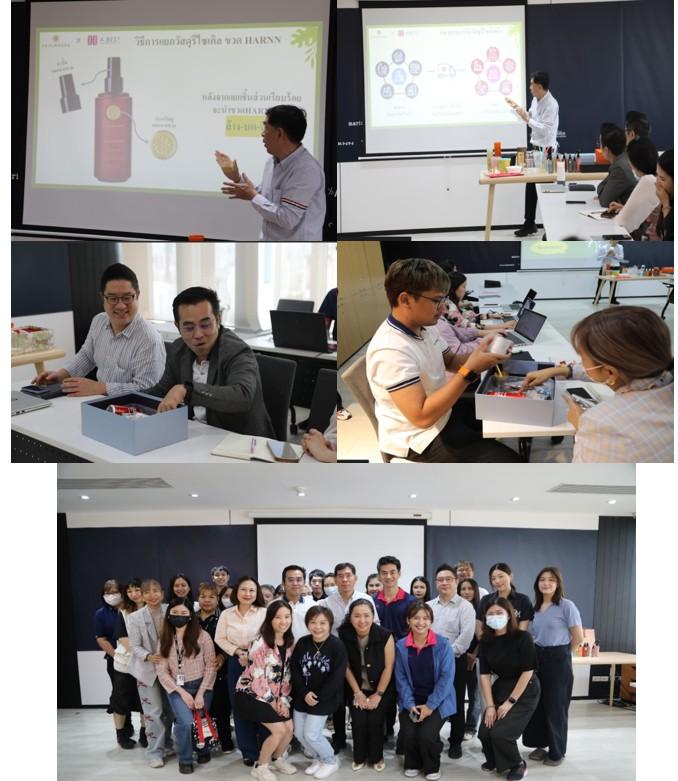
The Company organized the “Green Day” initiative to enhance awareness and encourage employee participation in proper waste segregation practices. The activity provided an opportunity for employees to contribute glass bottles and various recyclable materials within the organization, serving as an initial step toward resource management in alignment with the circular economy concept. The initiative was supported by A BEST, a supplier within the Company’s supply chain, which was responsible for collecting the donated recyclable materials and forwarding them into the recycling process for the development of recycled packaging for HARNN products. In addition, the Company provided training sessions on waste segregation and sustainable resource management to 30 employees from various departments. This initiative reflects effective collaboration across all stakeholders within the supply chain, including employees, the organization, and business partners, in promoting efficient resource utilization and achieving tangible reductions in environmental impact.
Reduction of Food Waste
The Company is committed to managing food waste efficiently to reduce its environmental impact and optimize resource use. The following measures have been implemented, covering food waste reduction from the source, managing excess food, and maximizing the benefit of food waste:
1. Efficient Management of Raw Materials – Control the quantity of raw material purchases to reduce waste from
expiration. Encouraging Customers to Order the Right
2. Amount of Food – Offering various menu sizes or options for customers to choose the desired portion size.
3. Utilizing Food Waste – Converting food scraps into organic fertilizer or bioenergy. The company also campaigns
to reduce food waste within the organization by training employees on food waste reduction and raising
awareness about effective raw material management.
Waste — Generation, Disposal & Recycling
Waste Generation, Disposal & Recycling
| Metric |
|---|
| Total waste generated (Kilograms) |
| Non-hazardous waste (Kilograms) |
| Non-hazardous waste - Landfilling (Kilograms) |
| Non-hazardous waste - Incineration (with energy recovery) (Kilograms) |
| Non-hazardous waste - Incineration (without energy recovery) (Kilograms) |
| Non-hazardous waste - Other disposal operations (Kilograms) |
| Hazardous waste (Kilograms) |
| Hazardous waste - Landfilling (Kilograms) |
| Hazardous waste - Incineration (with energy recovery) (Kilograms) |
| Hazardous waste - Incineration (without energy recovery) (Kilograms) |
| Hazardous waste - Other disposal operations (Kilograms) |
| Total reused/recycled waste (Kilograms) |
| Reused/Recycled non-hazardous waste (Kilograms) |
| Reused non-hazardous waste (Kilograms) |
| Recycled non-hazardous waste (Kilograms) |
| Reused/Recycled hazardous waste (Kilograms) |
| Reused hazardous waste (Kilograms) |
| Recycled hazardous waste (Kilograms) |
Waste — Targets
Has Set Targets
No
Waste — Performance & Outcomes
Has Performance Results
No
GHG — Plan & Guidelines
Has a GHG Management Plan
Yes
Plan Description
The Company places great importance on operating its business sustainably, recognizing the impact of greenhouse gas (GHG) emissions on the environment and climate change. As a result, the Company has initiated various projects to support the reduction of GHG emissions from its activities. These efforts aim to mitigate the environmental impact of its operations and strike a balance between business growth and environmental responsibility.
1. Energy Saving Projects in Office Buildings and Retail Stores
The Company focuses on improving energy efficiency in office buildings and retail stores to reduce greenhouse gas emissions from the use of fossil fuels. Key measures include:
• Installing energy-saving electrical systems, such as using LED lighting
• Promoting employee participation in energy-saving initiatives, such as turning off electrical equipment when not in use and reducing unnecessary printing
• Replacing photocopiers with energy-efficient models. Photocopiers are one of the main devices used in office settings, typically operating 8–10 hours per day. Therefore, choosing energy-efficient models helps the company save on electricity costs and contributes to lowering greenhouse gas emissions.
Expected Outcome: Reduced energy consumption in office buildings and retail stores, along with a decrease in carbon dioxide emissions from electricity usage within the organization.
2. Use of Clean Energy from Renewable Sources
To reduce reliance on fossil fuels, the Company leases office space in buildings that utilize clean energy. The Company follows these approaches:
• Use of Solar Energy
- Solar panels are installed on the office building to reduce electricity consumption from fossil fuels.
• Water Resource Management System
- Water-saving systems are implemented, such as automatic faucets and water recycling systems.
Expected Outcome: Reduced electricity consumption from fossil energy sources and decreased greenhouse gas emissions from energy use in office buildings.
GHG — Emissions
GHG Emissions
| Metric | Current Year | Previous Year | Two Years Ago | Remark |
|---|---|---|---|---|
| Total GHG emissions (Metric tonnes of carbon dioxide equivalent) | 40.7 | 64.07 | 0 | |
| Total greenhouse gas emissions 1 (Metric tonnes of carbon dioxide equivalent) | ||||
| Total greenhouse gas emissions 2 (Metric tonnes of carbon dioxide equivalent) | 40.7 | 64.07 | Calculate only the electricity consumption of the office building. | |
| Total greenhouse gas emissions 3 (Metric tonnes of carbon dioxide equivalent) |
GHG — Emissions Verification
Emissions Verified by a Third Party
No
GHG — Targets
Has Set GHG Targets
No
GHG — Performance & Outcomes
Has Performance Results
Yes
Performance Description
In 2025, the Company replaced two photocopiers with energy-efficient models, resulting in an annual reduction in electricity costs of 8,194.56 baht and a reduction in greenhouse gas emissions of 1,160.35 kgCO2e per year.
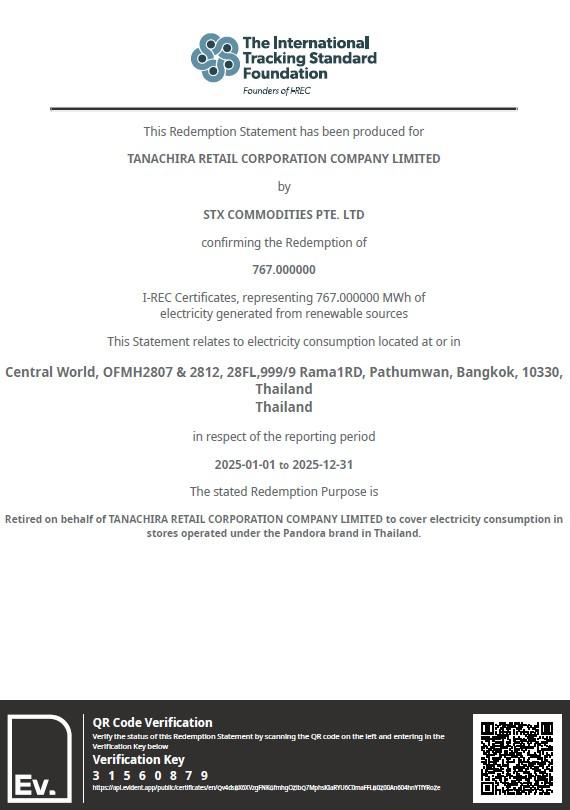
In addition, the Company sourced renewable electricity through the purchase of 767 MWh of International Renewable Energy Certificates (I-TRACK) to cover the electricity consumption of Pandora stores operated by the Company in Thailand. These certificates were issued under the The International Tracking Standard Foundation and represent electricity generated from solar energy in Thailand. This initiative supports the Company’s efforts to reduce greenhouse gas emissions (Scope 2) and aligns with the sustainability ambitions of the Company.
Environmental Legal Incidents
Legal Violation Incidents
| Metric | Current Year | Previous Year | Two Years Ago |
|---|---|---|---|
| Number of cases or incidents of legal violations or negative environmental impact (cases) | 0 | 0 | 0 |
Employees — Plan & Guidelines
Has an Employee Management Plan
Yes
Plan Description
1. Employee Capability Development
The Company places great importance on the continuous development of its employees by focusing on enhancing knowledge, skills, and work capabilities to improve performance and outcomes. The training programs are regularly updated to align with current business trends and needs.
The approach to employee development is divided into two main groups: the management group and the general employee group. Each group is developed according to their respective roles and responsibilities.
1) Management Group (Department Manager and above)
The Company focuses on developing its executives to be leaders who can drive the organization into the future. A Business Plan Workshop is organized, covering key topics such as:
• Strategic Planning: Helps executives analyze the strengths and weaknesses of their work and use this information to define business strategies.
• Goal Setting: Encourages leaders to set clear, measurable goals that align with the company’s vision.
• Cross-Functional Collaboration: Promotes cooperation between departments to create a unified business plan.
Additionally, the Company tracks and evaluates post-training results by having executives create departmental action plans and present these plans to management for feedback, helping to refine and improve their effectiveness.
2) Employee Group (Below Department Manager Level or Equivalent)
The Company promotes the development and management of employee potential to support future business expansion. Various forms of training are provided, such as workshops, to help employees develop skills and expertise based on their roles and responsibilities.
Sales Staff Capability Development
Sales staff play a crucial role, as they are directly engaged with customers and contribute to building the company’s image. The Company places great importance on developing the necessary skills for this group of employees by offering training programs such as “New Staff Training” and “Group Store Manager Development” to enhance knowledge, abilities, and skills in alignment with business goals. These programs also prepare employees for industry growth and changes, enhancing the Company's competitiveness both now and in the future.
Additionally, the Company continuously monitors and evaluates the effectiveness of the training by conducting knowledge tests after training sessions. For example, in the "New Staff Training" program, employees must pass tests on the brand and products, as well as role-playing exercises to simulate customer service scenarios. The “Group Store Manager Development” program focuses on planning and presenting strategies for developing store operations, to assess the readiness of store managers in efficiently managing operations.
2. Promoting Health
The Company promotes the health and well-being of employees to reduce illness or accidents at work. Therefore, it has initiated projects that help promote health and reduce work-related stress, as well as support visually impaired individuals to create income and provide opportunities for a better quality of life. As part of this, the Company offers a relaxation massage service for employees provided by visually impaired individuals (at no charge) every Thursday.
Additionally, this initiative is part of the Company's sustainability efforts aligned with the Sustainable Development Goals (SDGs), specifically SDG 3: Good Health and Well-being. Maintaining physical and mental health is a key factor in creating an efficient and happy work environment, which benefits both employees and the organization in the long term. It also provides opportunities for people with disabilities to engage in and pursue work, which aligns with SDG 10: Reduced Inequalities.
Plan Areas
| Plan Area |
|---|
| Employee training and development |
| Occupational health and safety in workplace |
Employees — Workforce
Workforce Data
| Metric | Current Year | Previous Year | Two Years Ago |
|---|---|---|---|
| Total number of employees (Persons) | 729 | 731 | 637 |
| Number of male employees (Persons) | 147 | 153 | 128 |
| Number of female employees (Persons) | 582 | 578 | 509 |
| Total employment of disabled persons (people) | 0 | 0 | 0 |
| Total disabled employees (people) | 0 | 0 | 0 |
| Total male disabled employees (people) | 0 | 0 | 0 |
| Total female disabled employees (people) | 0 | 0 | 0 |
| Total disabled workers who are non-employee (people) | 0 | 0 | 0 |
| Contributions to the fund for promoting and improving the quality of life for disabled persons | 1 | 1 | 1 |
| Total number of male employees in operational level (Persons) | 138 | 147 | 121 |
| Total number of male employees in management level (Persons) | 9 | 6 | 5 |
| Total number of male employees in executive level (Persons) | 0 | 0 | 2 |
| Total number of female employees in operational level (Persons) | 554 | 559 | 490 |
| Total number of female employees in management level (Persons) | 27 | 19 | 19 |
| Total number of female employees in executive level (Persons) | 1 | 0 | 0 |
Employees — Remuneration & Provident Fund
Remuneration & Provident Fund
| Metric | Current Year | Previous Year | Two Years Ago |
|---|---|---|---|
| Total disabled employees (people) | 328,007,375.75 | 261,404,434.03 | 204,664,008.03 |
| Total male employee remuneration (Baht) | 86,774,699.23 | 60,654,060.53 | |
| Total female employee remuneration (Baht) | 241,232,676.52 | 200,750,373.5 | |
| Number of employees eligible to participate in PVD (persons) | 729 | 731 | 637 |
| Total number of employees joining employee provident fund (Persons) | 249 | 212 | 184 |
| Percentage of total number of employees joining employee provident fund to total number of employees (%) | 34.16 | 29 | 28.89 |
| Number of PVD members / Total eligible employees (%) | 34.16 | 29 | 28.89 |
| Total amount of provident fund contributed by the Company (Baht) | 3,910,226 | 3,972,969 | 2,852,951 |
| Total amount of provident fund contributed by employee (baht) | 5,824,035 | 6,671,891 | 4,871,854 |
Employees — Training & Development
Training Data
| Metric | Current Year | Previous Year | Two Years Ago |
|---|---|---|---|
| Average employee training hours (Hours / Person / Year) | 3.25 | 4.01 | 3.18 |
| Employee development and training expenses (baht) | 771,886 | 252,065.9 |
Employees — Occupational Health & Safety
Occupational Health & Safety Data
| Metric | Current Year | Previous Year | Two Years Ago | Remark |
|---|---|---|---|---|
| Total number of lost time injury incidents by employees (Cases) | 1 | 0 | 1 | In 2025, the Company had no employee fatalities from work-related incidents. |
Employees — Labour Relations
Labour Relations Data
| Metric | Current Year | Previous Year | Two Years Ago |
|---|---|---|---|
| Total voluntary resignations (Persons) | 269 | 261 | 191 |
| Male employees who voluntary resigned (Persons) | 74 | 82 | 30 |
| Female employees who voluntary resigned (Persons) | 195 | 179 | 161 |
| Percentage of employee turnover leaving the Company voluntarily (%) | 36.89 | 35.7 | 29.98 |
| Evaluation result of employee engagement | 1 | 1 | 0 |
Employees — Employee Representation
Employees Are Represented Collectively
No
Employees — Targets
Has Set Employee Targets
Yes
Targets
| Indicator | Target Areas | Base Year | Base Year — Description | Target Year | Target Year — Description |
|---|---|---|---|---|---|
| Training hours/person/year | 2984 · Description: Employee training and development | 2,025 | 3.25 hours/person/year | 2,027 | 10 hours/person/year |
| no. of accident | 2988 · Description: Safety and occupational health at work | 2,025 | accident = 1 | 2,027 | accident = 0 |
Employees — Performance & Outcomes
Has Performance Results
Yes
Performance Description
Employee Development
In 2025, the Company supported employees in attending 25 training programs, totaling 7,361 hours, with an average of 3.25 hours of training per employee (compared to the target of 10.0 hours of average training per employee per year).
Health Promotion
The Company provides a complimentary relaxation massage service by visually impaired therapists every Thursday. This initiative supports the skills and careers of individuals with disabilities while also helping employees relieve stress and alleviate work-related muscle pain (Office Syndrome). The program aims to promote good health and enhance the quality of life for both employees and individuals with disabilities. Each week, 20 employees participate in this service.
Customers — Plan & Guidelines
Has a Customer Management Plan
Yes
Plan Description
Providing health and beauty services to customers is not only about meeting their needs but also about creating a positive experience. To ensure our products and services meet high-quality standards and customer expectations, we are committed to maintaining, developing, and improving our services in all aspects. This includes the quality of products used, cleanliness of the facilities and equipment, treatment techniques, and attentiveness of our staff. Customer satisfaction is assessed after each service through our in-store evaluation form, and the collected data is analyzed to develop further improvements.
In 2025, the Company placed importance on elevating the customer experience to a premium level, by aiming to design service processes at every touchpoint to be systematically connected. This was achieved through the use of technology and data management systems, such as scanning QR Codes to access treatment menus, conducting health questionnaires, and service satisfaction surveys via tablets instead of using paper documents.
This approach not only helps increase convenience and enhance the customer experience but also facilitates efficient, systematic data storage that can be analyzed to continuously develop and improve service quality. Moreover, it contributes to reducing the use of paper and printed materials, which aligns with sustainable business practices and environmental care according to ESG principles.
Service Procedures
1. Customers complete a Health Questionnaire, specifying personal preferences such as areas to avoid and
preferred massage pressure.
2. Staff provide treatment based on the information in the questionnaire.
3. Staff observe and inquire about customer satisfaction during the treatment.
4. After the treatment, customers complete a Service Satisfaction Survey.
5. The spa manager reviews daily records from the database system. If any dissatisfaction or complaints are found, the customer will be contacted for further inquiry the following day.
6. Each month, the spa manager compiles satisfaction scores for analysis and presents an improvement plan to
enhance service quality.
Customer Satisfaction Evaluation Areas to Maintain Service Quality
1. Arrival Journey/Receptionist – Customer reception and welcome experience.
2. Therapist Skills
3. Treatment Journey – Quality of the treatments
4. Facility – Cleanliness and quality of spa amenities hygiene.
5. Overall Experience – General satisfaction with the service.
Scoring Criteria
There are 4 levels of scores, ranging from 1 to 5:
1 = Extremely dissatisfied
2 = Dissatisfied
2 = Neutral
3 = Satisfied
4 = Extremely satisfied
Data Recording
The scores obtained from the questionnaires are automatically recorded and stored in the database system, which can be accessed and checked in real time. This ensures that the data is accurate and up to date. The organization can therefore monitor various issues and take corrective actions quickly and promptly, helping to reduce the risk of complaints and effectively enhance customer satisfaction.
Data Processing and Analysis
Customer satisfaction data stored in the system can clearly display scores for each topic. The desired time period can be set, such as daily or monthly, and the data can also be systematically categorized by branch. This allows management and the team to gain a comprehensive view of service quality across all dimensions.
The data can be used for analysis to create targeted plans to improve and develop service quality, as well as to continuously enhance and design better customer experiences.
Customer Relationship Management (CRM)
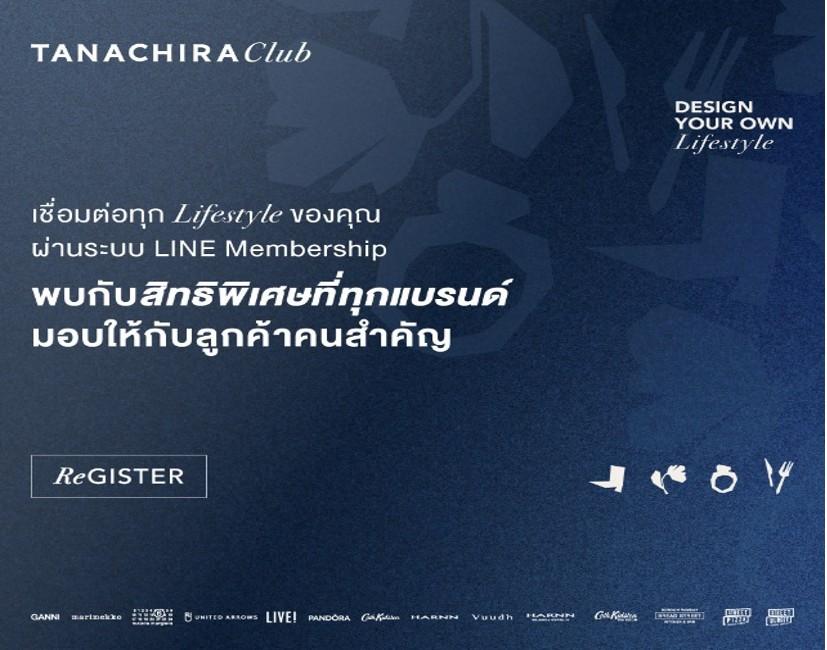
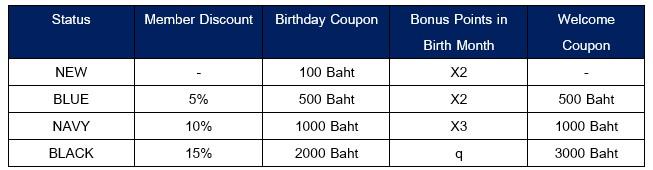
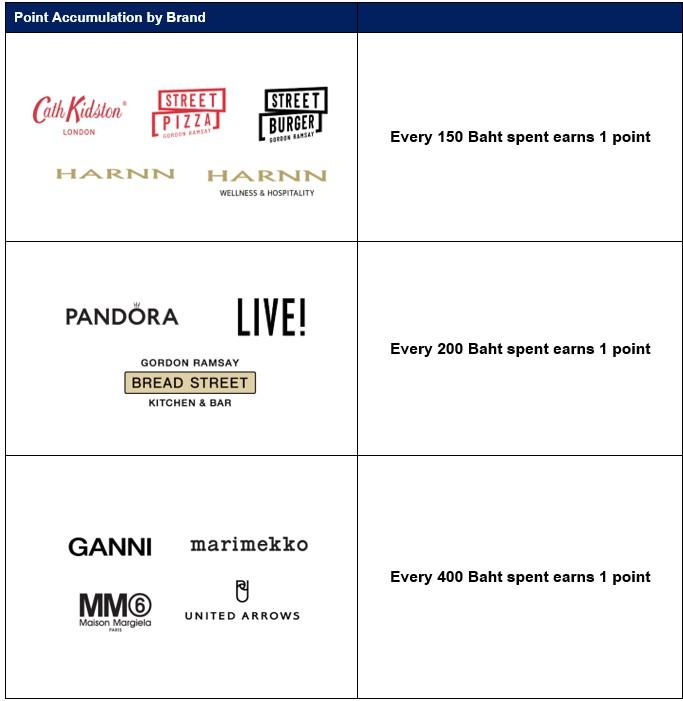
The Company places importance on Customer Relationship Management (CRM), with a focus on building long-term relationships with customers. This is achieved by utilizing data from membership programs and sales channels, including both offline stores and online platforms, to analyze customer behavior and preferences across different segments, including product preferences, purchase frequency, and lifestyle interests, in order to ensure alignment with customer behavior. Such data is applied in the development of marketing communication strategies and the delivery of products and services tailored to each customer segment (Personalized Marketing). This includes the design of membership activities, the organization of special campaigns, and the delivery of experiences that align with customer behavior and interests across the Group’s premium fashion and lifestyle brands.
Plan Areas
| Plan Area |
|---|
| Development of customer satisfaction and customer relationship |
Customers — Satisfaction Results
Customer Satisfaction Results
| Metric | Current Year | Previous Year | Two Years Ago |
|---|---|---|---|
| Evaluation results of customer satisfaction | 1 | 1 | 1 |
Customers — Targets
Has Set Customer Targets
Yes
Targets
| Indicator | Target Areas | Base Year | Base Year — Description | Target Year | Target Year — Description |
|---|---|---|---|---|---|
| Customer satisfaction | 3009 · Description: Development of customer satisfaction and customer relationship | 2,024 | 3.84 | 2,025 | Customer satisfaction > 3.90 |
Customers — Performance & Outcomes
Has Performance Results
Yes
Performance Description
Details of Customer Management Target Setting
The KPI for measuring service performance based on customer satisfaction is:
•The average score of the overall experience (Overall Experience) from the assessment shall not be less than 4.80
(base year 2025: 4.62)
• Reduce customer service complaints to zero
Customer Assessment Results in 2025
1. Arrival Journey/Receptionist – Customer reception and welcome experience. = 4.64
2. Therapist Skills = 4.63
3. Treatment Journey – Quality of the treatments = 4.64
4. Facility – Cleanliness and quality of spa amenities hygiene. = 4.65
5. Overall Experience – General satisfaction with the service. = 4.62
In addition to the assessment results, all five topics remain within the areas requiring improvement to meet the established standards. There are also additional comments and suggestions provided by customers in the comments section. It was found that there are still points that can be used to improve and develop service in the future. The key points of customer suggestions can be summarized as follows:
Topic | Improvements Results |
1.The temperature in the treatment room is too cold | Check the temperature inside the treatment room and the operation of the electric blanket to ensure it functions normally. Establish a standard procedure for branch staff by setting the air conditioner temperature at 24oC and turning on the electric blanket system approximately 15 minutes before the customer enters the treatment room. Conduct regular inspections and maintenance of the electric blanket to ensure the equipment is in good condition and ready for use. |
| Emphasize conducting a pre-service questionnaire to accurately and fully understand the customer’s needs, physical condition, and expectations. Offer treatments, products, and allocate therapists in accordance with each customer’s specific needs to enhance service quality and satisfaction. Develop the reception staff’s skills in consultation and customer needs analysis so they can provide appropriate and targeted service recommendations. Continuously enhance therapists’ skills and knowledge in massage and treatments to ensure they can accommodate and serve customers comprehensively in all service types. |
Service Improvement and Development Planning
Based on this feedback, the Company has implemented the following service improvement plan:
1. Conduct a Brand Standard Audit quarterly, led by the Spa Equity & Training team, to ensure that all spa
branches maintain high-quality operations aligned with brand standards.
2. Regularly inspect and maintain equipment and tools to ensure it are in good condition and safe for use.
3. Provide ongoing staff training on treatment techniques, customer service, and health and wellness knowledge enhancement.
4. Keep employees informed about emerging trends relevant to their work, such as consumer behavior and
wellness trends, to better adapt to evolving customer needs.
5. Promote ESG awareness and understanding among employees at all levels, so that they comprehend the
principles, objectives, and rationale of these policies, which will lead to behavior and work practices aligned
with and supporting concrete ESG initiatives.
Community & Social — Plan & Guidelines
Has a Community & Social Plan
No
Community & Social — Targets
Has Set Community & Social Targets
No
Community & Social — Performance & Outcomes
Has Performance Results
Yes
Performance Description
• The Company group has expressed concern and provided support to employees as well as the public in the southern region affected by flooding. The Company have contributed to alleviating the hardships by donating funds to help through the Friends in Need (of “PA”) Volunteers Foundation, Thai Red Cross Society.
• HARNN Wellness & Hospitality, under Tanachira Group and led by Ms. Apiradee Thammasorn, HARNN Spa Equity & Training Director, takes pride in participating and supporting the charitable activity “IHG Run for Good,” organized by IHG Hotels and Resorts. This running event was held to raise funds for the Foundation for the Blind in Thailand, under the Royal Patronage of Her Majesty the Queen, to support and improve the quality of life and create equal career opportunities. It reflects the commitment of HARNN Wellness & Hospitality to promoting the health and well-being of society and the community.
• HARNN Wellness & Hospitality, under TANACHIRA Group and led by Ms. Apiradee Thammasorn, HARNN Spa Equity & Training Director, isupport the “Central Group Women Cancer, Doing Good Together for Female Cancer Patients, 20th Edition” project, organized by Central Group to raise awareness about cancer prevention and to support women battling cancer. As part of the initiative, HARNN contributed its products to the “Cancer Care Fair” to help raise funds for the purchase of essential medical equipment for Maharaj Nakhon Ratchasima Hospital. The funds will go toward acquiring a colposcopy machine, an important tool that enables more accurate and detailed examination of cervical abnormalities.
Law Violation Incidents
Law Violation Incidents
| Metric | Current Year | Previous Year | Two Years Ago |
|---|---|---|---|
| The total number of cases or incidents of significant violations of laws or regulations regarding social and human rights (Cases) | 0 | 0 | 0 |
| The total number of cases or incidents that cause significant labor disputes (Cases) | 0 | 0 | 0 |
| The total number of cases or complaints related to consumer rights violations (Cases) | 0 | 0 | 0 |
| The total number of cases or complaints related to partner rights violations (Cases) | 0 | 0 | 0 |
| The total number of cases or incidents that cause disputes with the community/society (Cases) | 0 | 0 | 0 |
| The total number of cases or incidents related to cyber security or customer data breaches (Cases) | 0 | 0 | 0 |
| The total number of cases or incidents related to safety and occupational health at work (Cases) | 0 | 0 | 0 |